

The Case for Drone Usage On A Jobsite
See how drone usage combined with Trimble Stratus software can help improve the quality, accuracy, safety and efficiency of your projects.
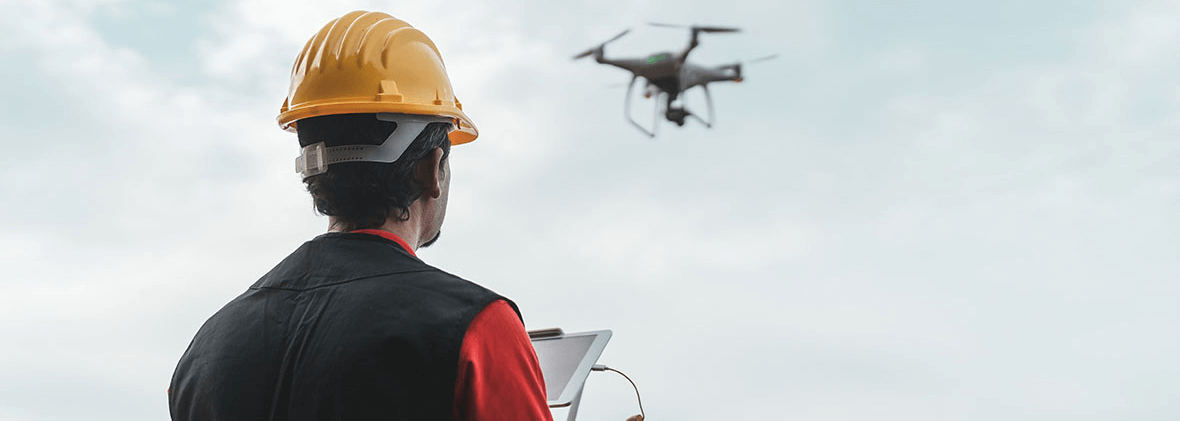
 Despite their reputation, drones are more than simple toys for tech enthusiasts and amateur photographers. Commercial drones — also known as unmanned aerial vehicles (UAVs) — are transforming the construction industry.
 We've singled out eight drone usage applications that combined with the power of Trimble's Stratus Drone Software that can help you do and achieve more on your jobsites.
Mapping & Surveying
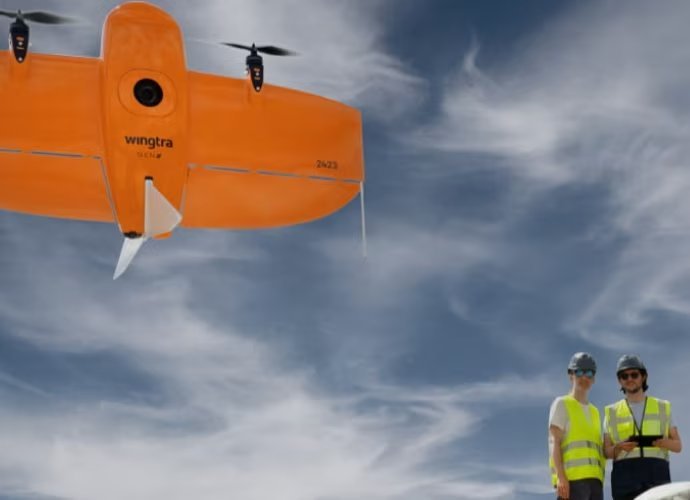
One of the most common applications for drones is in pre-construction tasks like topographic mapping and surveying. Where manual surveying techniques would take one or two full days, a fixed-wing drone can collect all the information you need in a matter of minutes.
Most commercial drones come with high-resolution cameras, which can take incredibly detailed photos even at high altitudes. By using drones and Trimble Stratus, you have the ability to quickly gather high-resolution geospatial images with critical survey data. This provides you with more accurate data to review when building project estimates and planning your site work.
Equipment Tracking
With so much equipment to manage on each jobsite, losing track of specific machines is a common problem for construction companies — especially if they're still using spreadsheets. Fortunately, drones and artificial intelligence (AI) make collecting and organizing information easy.
Rather than relying on manual reports from your personnel, you can fly a drone above your jobsite to take photographs of your equipment so you can quickly ensure each machine is where it should be. You can also leverage advanced technology like radio frequency identification (RFID) tags, which use radio waves to transmit data to other items or people. For example, in our Cat Detect system, RFID tags attached to personnel and objects help prevent accidents by alerting equipment operators when they're getting too close for comfort.
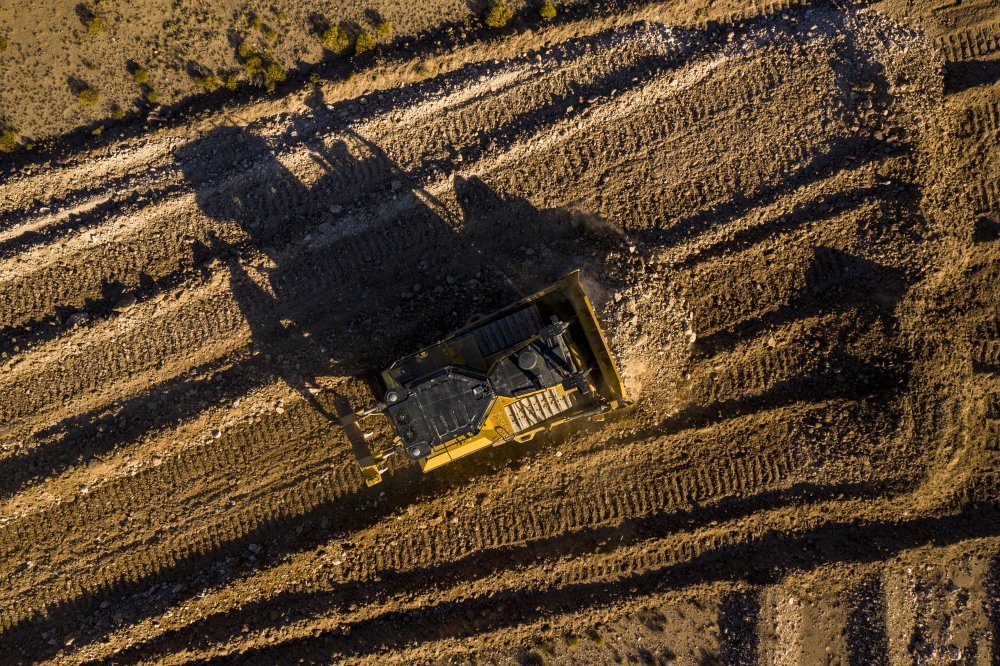 Rather than scanning each photo and noting each individual piece of equipment, you could attach a sensor to the drone to “scan in” each machine as it flies by. This system can also help you track inventory levels, so you can ensure you have enough supplies for your job.
Preventive Maintenance
Following a regular maintenance routine is essential for preventing unplanned downtime and costly repairs. Manual inspections and documentation are time-consuming processes, though, and they can eat into the rest of your workday.
Drones equipped with cameras and the Internet of Things (IoT) sensors can quickly gather data on equipment function, helping to identify malfunctions and other issues before they become serious problems.
Drones equipped with cameras and Internet of Things (IoT) sensors can quickly gather data on equipment function, helping to identify malfunctions and other issues before they become serious problems. They can also film the equipment in action, providing a useful visual representation so technicians can accurately diagnose and solve the issues.
The information these drones collect can also predict when machines need servicing, which can help you prevent serious breakdowns from affecting your project progress and causing you to go over budget.
Remote Process Monitoring
Traditional progress monitoring relies on inefficient manual processes such as paper documentation, spreadsheets and in-person visits with stakeholders and inspectors. Although these techniques worked well in the past, they can't keep up with today's rapidly accelerating pace of business.
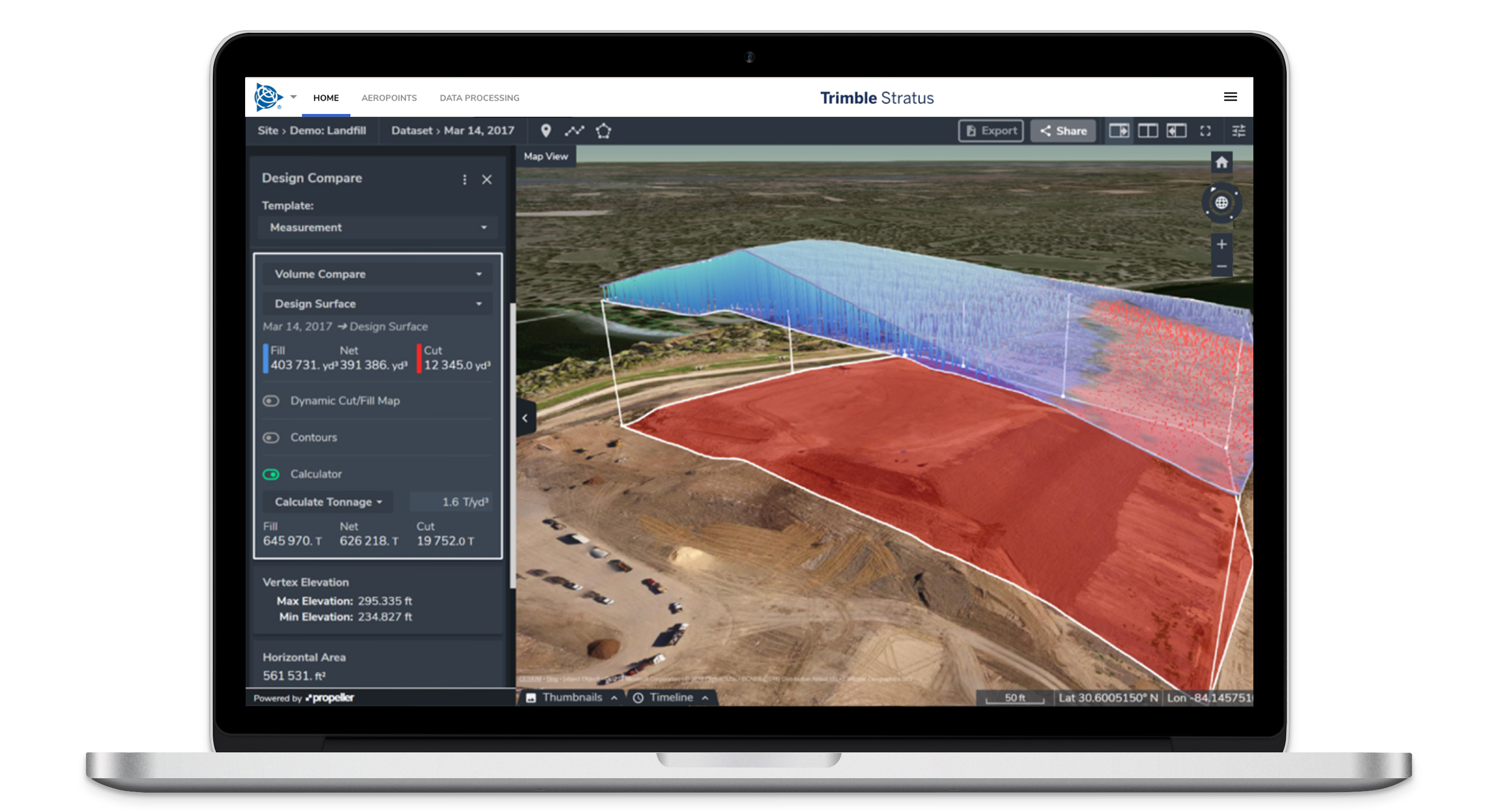
Incorporating drones and cloud-based file-sharing software into your progress reporting process can help you. After running a flyover scan, you can upload the captured images and data to the cloud and:
- Improve organization: A cloud solution stores all your drone data in one centralized location, making it easy to follow a defined organization system.
- Provide more regular updates: Making drone data easily accessible to stakeholders via the cloud allows them to check on project progress no matter where they're located, which can help improve their confidence in your company.
- Keep projects on track: Project managers can use drone data to make more informed decisions about important steps in the project timeline.
Jobsite Surveillance
According to the most recent report from the National Equipment Register, $400 million dollars worth of equipment gets stolen from construction sites each year. Theft and vandalism are big problems in construction. When only a portion of that loss gets recovered, the need to invest in jobsite security becomes critical.
UAVs equipped with thermal or infrared sensors can help you prevent crimes like theft and vandalism more effectively. Rotary drones can fit into tight spaces out of the range of your stationary cameras, enabling them to catch trespassers who may be sneaking in through hidden entry points.
Plus, a drone connected to cloud-based analytics software can transmit footage in real time, alerting your security team to threats as they unfold. For example, you could have a minimal security crew onsite during a holiday weekend and run drone scans to cover any gaps your human team can't.
Structural Inspections
Pre- and post-construction inspections are critical steps in any construction project. A full inspection of a large building can take days, resulting in long periods of downtime and impacting your bottom line. It's also a significant risk to send human inspectors into potentially unsafe situations, such as scaling aging building facades for pre-construction assessments.
A rotary drone can complete the same inspection in just a few hours, saving you valuable time and protecting your profit margin. Because you don't need to use human inspectors, it virtually eliminates the chances of an accident or injury. Plus, drone cameras and sensors are highly accurate at gathering site data, which can help you identify hidden hazards a human could easily miss.
Risk Management and Personnel Safety
Inspecting your jobsite with a drone can help your company adopt a more proactive approach to risk management by identifying risks before anyone begins work for the day. Advanced video and image analytics software can scan your footage to find hidden risks, such as structural instabilities.
Additionally, drones help keep human workers safe from falls and other accidents. Falls are the leading cause of death in the construction industry, accounting for more than 34% of all work-related fatalities in 2020. Sending a drone in to do risky tasks, such as surveying in dangerous spaces, can help prevent such tragedies.
Dispute Resolution
On a construction site, preventable human errors can cost you valuable time and money by requiring your team to go back and redo certain tasks. Without evidence, though, it's hard to hold subcontractors accountable for their errors — or even to determine who is responsible for making the error in the first place.
Here's a quick walkthrough of how you can use drones to prevent or resolve conflicts:
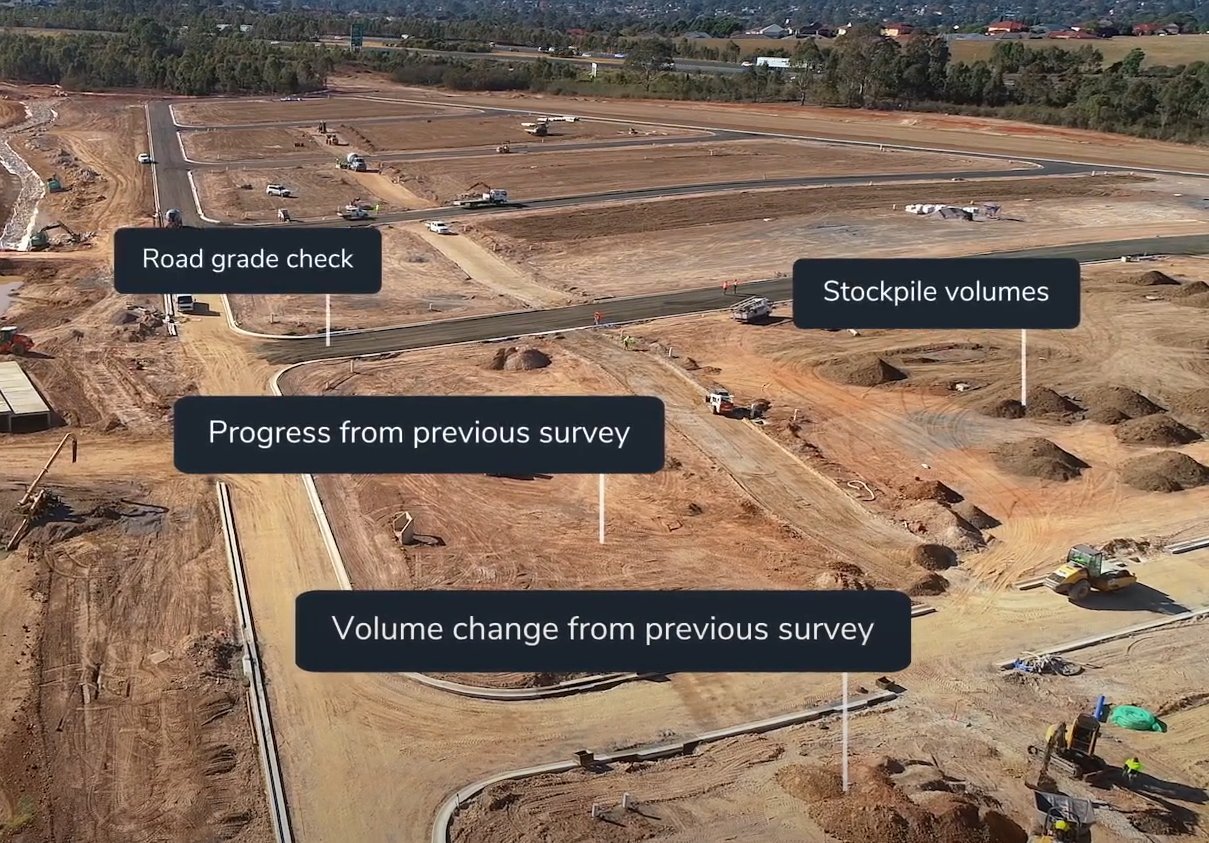
- Capture initial data: Begin each project with a flyover to document the initial state of the site. You'll need this data later for comparison.
- Perform frequent checks: At regular intervals, run more flyover scans to document project progress. The intermediate stages of your project are when errors are most likely to occur, so it's important to pay careful attention to the data you collect.
- Document final work: Once you've completed the project, run a final flight to document your site's “as-built” condition. This document can help you prove to clients that you are not at fault if their site doesn't meet their expectations.
In short, drones can help you at every stage of your project, from initial planning to completion. If you want to learn more about Foley's Drone services and software available through our affiliated SITECH-Central Company, please click here to contact us for more information.
Whether it is just equipment, site setup, data analysis, or our complete drone solution, our SITECH-Central Drone Service specialists will discuss your requirements with you and provide you with recommendations, based on your individual needs.