




Getting Your Heavy Construction Equipment Geared Up for Spring
As the temperature starts to increase and more construction jobs roll in, heavy equipment owners should understand the value of spring cleaning.
 Winter can take its toll on these vehicles, with the cold temperatures, moisture and inclement weather. However, with proper care and attention, machine owners can keep equipment in good condition, preventing breakdowns and lengthening the life of the machine.
So what exactly does readying construction equipment for spring entail? Construction spring cleaning involves a variety of tasks, from regular maintenance to repairs and record-keeping. In this guide, we'll walk you through the process and explain how the different tasks can benefit your equipment and operation.
PERFORM MAINTENANCE TASKS
Spring is an excellent time to conduct periodic maintenance. You can do damage control on components that might have struggled over the winter and make sure your machine is as ready as possible. Some of the maintenance tasks you'll want to complete are:
- Change filters: If your filters get clogged or dirty, they can reduce efficiency and increase contaminants in your system. Change your filters as needed or clean them where applicable.
- Change hydraulic and engine oil: Replace both hydraulic and engine oils during springtime to ensure clean and efficient system operation. Check with your manual to ensure you're using the right type.
- Check coolant: Run the engine and inspect the appearance of your coolant. Make sure it is free of impurities and reflects its as-new color. Since temperatures can still get low in the spring, make sure you get the appropriate grade of coolant for your area's weather.
- Grease components: Lubricate any major components as needed.
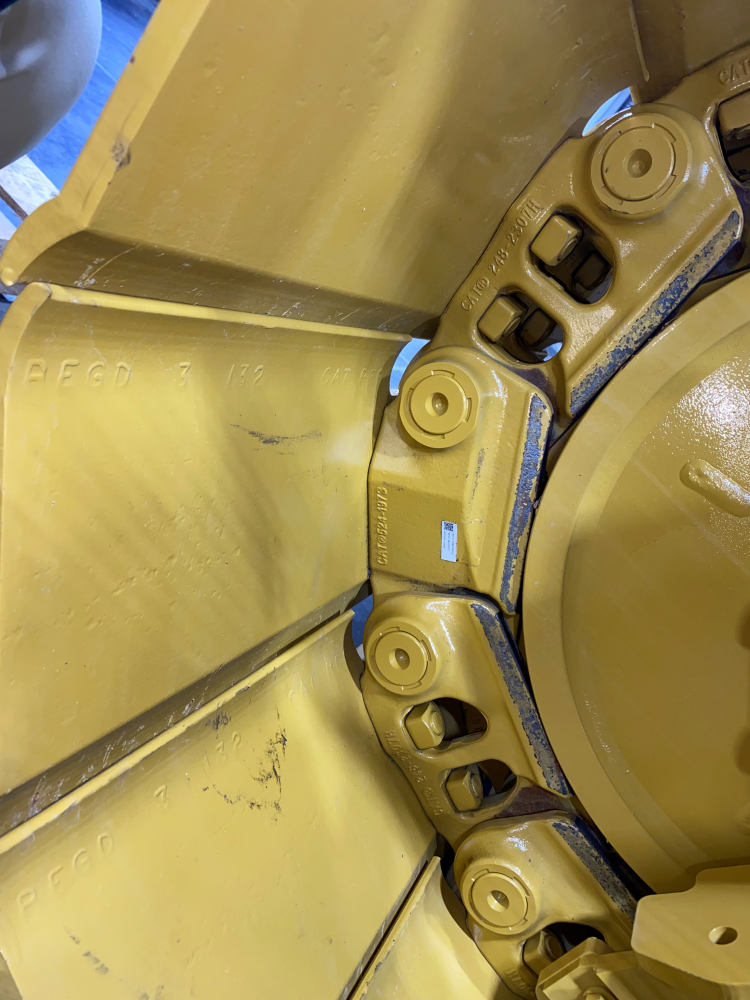
- Clean the exterior: Remove snow and ice with a broom or air compressor. Don't use anything that could damage the paint, like a shovel. Do not operate it until you've thawed any ice around the transmission, motor or swinging mechanism. You'll also want to clean off the undercarriage of your machine, removing any debris. Check the tracks for loose pads or inappropriate tension.
- Clean the interior: Give the cab a good cleaning — and replace the air filters. Cleaning the interior can make operation more comfortable for the driver and protect sensitive electronics.

WHAT TO CHECK BEFORE START-UP
After you've finished your maintenance, it's time for an overall inspection — this step will help you ensure no new surprises have appeared over the winter, like broken wires or leaks. Even without regular use, the elements can take their toll on a stationary piece of equipment.
Here's a list of what to check before starting heavy equipment this spring:
- Lights, flashers and wipers: Basic movement and sight are necessary components of getting your machine where it needs to be. Whether you're driving across the open road or just through a field or job site, check that your lights, flashers and wipers are working. You may also want to take a look at things like the windows and air conditioning.
- Brakes: Of course, you'll need working brakes. Test them out and make sure they're working properly.
- Engine belt: Depending on the piece of equipment, you may have one or more belts in your engine, such as a serpentine or V-belt. Inspect these belts closely for signs of wear, like cracking and fraying. Also, check its alignment to ensure it hasn't come loose. You should also check on pulleys and idlers, making sure they are in good condition.
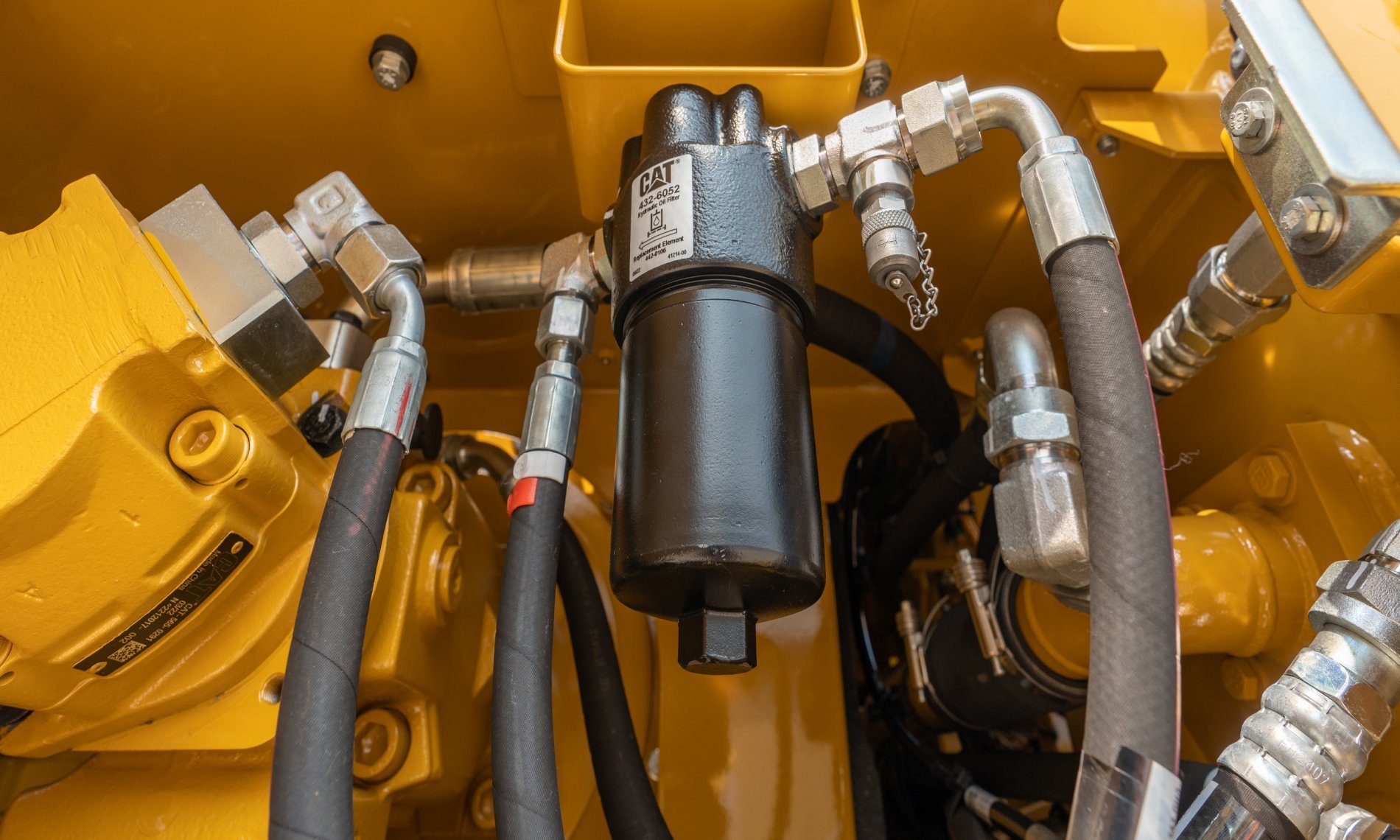
- Hoses: Many pieces of equipment have hoses that carry oil or other chemicals throughout the system. These can become environmental hazards if you allow them to break, releasing contents into the earth or water supply. On farms, pesticides are a significant concern here.
 Inspect your hoses and replace them if you spot any signs of wear. Sunlight and heat can cause significant damage to rubber surfaces, shown by cracking or swelling on the exterior. Abrasion is another concern — look for areas where the hose can rub up against another component, such as a bolt or joint. If the component has started to wear out the hose, try placing a protector in between them to keep the hose safe. Also, ensure the hose is free of any kinks.
 - Clamps: Many components like hoses and piping are held down by clamps. These are usually metal and can suffer wear and corrosion. They may rust or corrode from contact with chemicals. Replace them as needed, but be careful not to overtighten them and put undue stress on the components they're holding.
- Seals: Check on all of your seals and make sure they're still working at full capacity. Any leaks could reduce efficiency, damage your equipment or pose a health hazard. Make sure seals are still functioning and replace any that are worn.
- Tires: Tire pressure can have a substantial impact on your machine and your work, especially in landscaping and construction. It can influence the drive and the likelihood of leaving marks behind or compacting the soil. Plus, accurate tire pressure can save you on fuel consumption. Check your equipment manual for the appropriate tire pressures for your job and adjust your wheels appropriately. You'll also want to take a look at the tread wear on your tires and make sure they aren't becoming bald. Finally, take a look at the rims as well, ensuring lug nuts are all properly tightened.
- Boom and arm: Check out the parts of your equipment like the boom, arm and attachments. See if any pins or bushings are experiencing wear and look for damage to lines.
- Battery: Before you put the battery back in the vehicle, take a look at the compartment to ensure it is clean and free of corrosion or foreign materials. You can also check the electrolyte levels and top off the charge.