




The Benefits of Jobsite Connectivity and Digital Technology
Studies have proven that digital technologies have reduced cost by 10-15% or more, as the level of project complexity rises. Where do these efficiency gains come from?
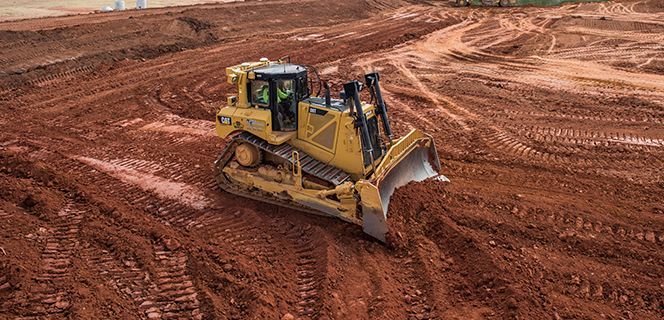
IMPROVED EQUIPMENT UTILIZATION
When you can collect accurate data from your fleet, you can run utilization reports by asset type. Let's assume the fleet has 15 excavators. The data shows that:
- 8 of them are running at 80% utilization
- 4 of them are running at 50% utilization
- 3 of them are running at 20% utilization
When your equipment is spread over a wide area or multiple locations, it's a bigger challenge to get an accurate read on how they're being used. But when that information is wirelessly communicated to you via the internet, you can see the numbers in black and white, in real time.
In this case, it's easy to see that the operation doesn't need to add excavators. If excavator utilization was better managed, the operation may be able to park an excavator or two and free up the capital invested in excavators that weren't fully utilized, resulting in better cash flow and reduced cost of capital.
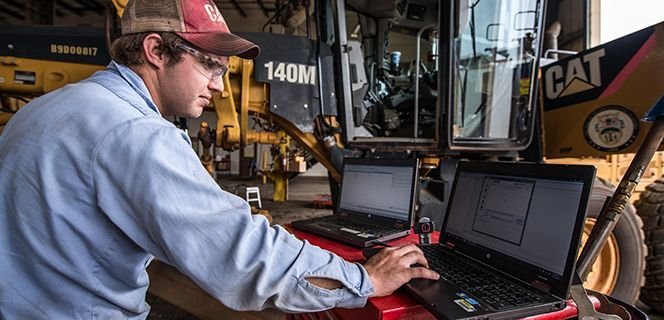
REDUCED FUEL AND MAINTENANCE COSTS
Service hours are one of the most monitored performance metrics. The problem with an hour reading is that it doesn't differentiate between "on time", "working time" and "idling time."
When you can gather the telematics data from a connected machine, you have the opportunity to work with your operators to reduce idle time. Idle time reduction will dramatically cut your fuel bill in the short term and also give you a realistic usage barometer for that machine. Then you can begin to manage that machine based on the true hours worked, not just the hours on the meter.
The result is a reduction in the number of maintenance cycles (Pms) required, which reduces cost.

REDUCED REPAIR AND MAINTENANCE COSTS
When you have the ability to access fault codes remotely, you and your techs can perform preliminary diagnoses without having to travel any further than your smartphone or computer.
After a thorough review of the data, you can decide the right course of action – once. You can communicate with the operator. Techs can gather the right tools and parts that will be needed before heading to the site.
Your operation saves significantly in technician time and machine downtime.

WHAT ABOUT GPS – IS IT WORTH IT?
Based on this quick list, it would seem that connectivity delivers sufficient cost savings to pay for itself. Let's extend the conversation beyond leveraging information to adding GPS earthmoving technologies to the mix. Is GPS worth it?
A Civil Engineering study found that GPS-enabled earthmoving can increase productivity by 21.74% and generate cost savings of approximately 12.92%. What does that translate into on the bottom line?
If the cost of GPS set up on a dozer is approximately $100,000 on a $500,000 job, you'd save more than $60,000 – more than half of the cost of the system. Add to that more competitive bidding (results from accurate data) and faster job completion (resulting from efficiency gains), and breakeven should easily come within the first year of ownership.
Even with all these economic benefits, construction remains one of the least digitized of all industries. There's a real opportunity to build competitive advantage with connectivity on your jobsites. Interested in learning more? Contact your Foley Equipment Product Support Rep to get started today.